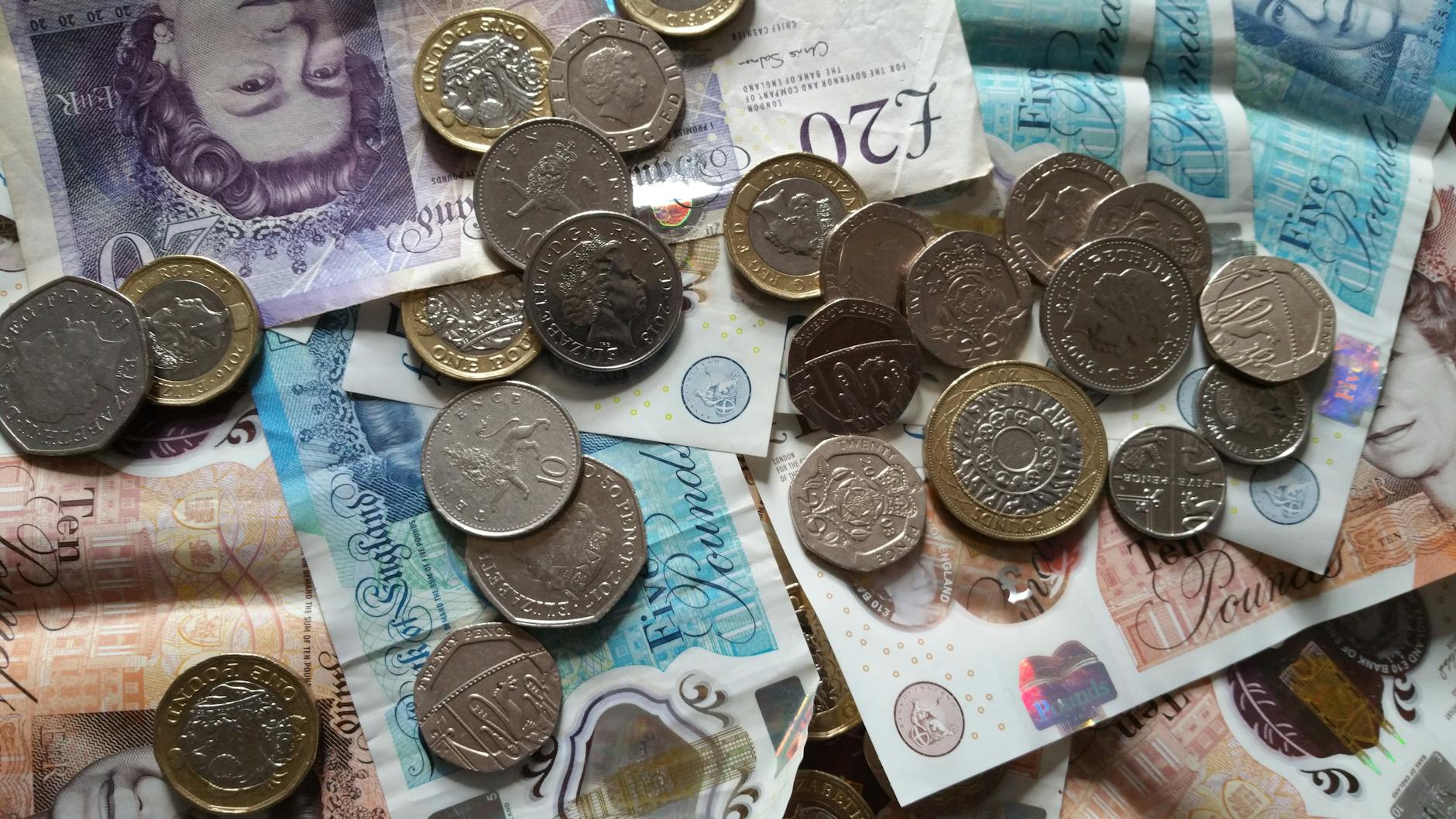
Rare 50p Coins: A Collector’s Guide to UK Commemoratives
The Coin That Started It All
It was a Tuesday afternoon in a Tesco in Shrewsbury when my aunt first noticed something odd about her change. She’d bought a loaf of bread and a tin of soup, and as she dropped the coins into her purse, one of them caught her eye. The 50p was different — instead of Britannia or a seasonal motif, it showed a swimmer mid-stroke, arms cutting through stylised waves. It was a 2012 Olympic 50p, and she’d been carrying it around for three days without realising. That coin now sits in a small display frame above her fireplace, and it’s worth somewhere between £2 and £5 depending on condition — not a fortune, but the beginning of something that genuinely changed how she looked at her loose change.
That’s how most UK coin collectors get started. Not through grand intention, but through a moment of accidental discovery. The 50 pence piece, introduced in 1969 as Britain prepared to go decimal, has become the most commemorated coin in British circulation. No other denomination has been used so frequently to mark national moments, sporting achievements, cultural milestones, and historical anniversaries. If you’re curious about coin collecting but don’t know where to begin, the 50p is arguably the most accessible, affordable, and rewarding place to start.
A Brief History of the Commemorative 50p
The seven-sided 50p — technically an equilateral curve heptagon, if you want to impress someone at a dinner party — was designed to be easily distinguishable by touch, particularly for visually impaired people. Its unusual shape made it immediately iconic. For its first couple of decades, the reverse design changed relatively rarely. Then, in 1992 and 1993, the Royal Mint issued a coin commemorating the UK’s presidency of the European Council, and collectors began to take notice.
Things truly accelerated with the 1994 D-Day 50th anniversary coin. This was the first time a major historical event had been marked on a circulating 50p, and it set a precedent that continues to this day. Since then, the Royal Mint has issued commemorative designs for everything from the Scouts centenary to the Snowman, from Sherlock Holmes to the suffragettes. Some of these coins entered general circulation — meaning you might genuinely find one in your change — while others were sold only as collector editions in presentation packaging.
That distinction matters enormously to beginners, and we’ll return to it shortly.
Why the 50p Is the Perfect Starting Point
British coin collecting can feel overwhelming at first. Walk into a coin fair at Alexandra Palace or browse the dealers’ tables at the Birmingham Coin Fair, and you’ll encounter everything from Roman denarii to Edwardian sovereigns, each with its own grading system, market volatility, and specialist knowledge requirements. The 50p sidesteps all of that initial complexity.
For a start, the coins are modern. They’re well-documented, consistently graded by condition using straightforward standards, and actively tracked by a passionate community of collectors online. Websites like Change Checker (changechecker.org) publish a regular scarcity index updated by the collecting community, which tells you how difficult any given design is to find in your change. The Royal Mint’s own website (royalmint.com) lists every commemorative issue with mintage figures — that is, how many of each coin were produced — which is one of the primary factors that determines rarity and value.
Cost is another major advantage. Many 50p coins can still be found in everyday circulation, meaning your starting investment is literally 50 pence. Even the rarer circulated examples rarely cost more than £10 to £20 when bought from a reputable dealer. You don’t need a safe or specialist insurance to get started. A decent coin album from Leuchtturm or a similar brand, available from most good hobby shops or on Amazon UK, will do the job perfectly.
Circulated vs. Uncirculated: Know What You’re Buying
One of the first things any new collector needs to understand is the difference between a circulated coin and an uncirculated one. A circulated coin has passed through the economy — it’s been in tills, wallets, and piggy banks. It will almost certainly show some signs of wear, from minor scratches on the high points of the design to more significant marks if it’s been particularly well-travelled. An uncirculated coin, sometimes called BU (Brilliant Uncirculated), has never been used as currency. It comes direct from the Mint with full lustre, sharp detail, and no contact marks.
The Royal Mint sells BU 50p coins in presentation packs, often at a significant premium over face value. A coin with a face value of 50p might sell for £10 to £15 in a BU presentation pack. Whether that represents good value depends on the mintage figures and demand. Some BU editions have appreciated considerably; others have not. As a beginner, it’s worth being cautious about buying too many BU presentation packs at inflated prices before you’ve developed a feel for the market.
The condition of a circulated coin is described using a standardised grading scale. In the UK, the most common grades you’ll encounter are:
- Poor (P): Heavily worn, design barely visible. Mostly of curiosity value only.
- Fair (F): Major design elements visible but significant wear throughout.
- Fine (F) / Very Fine (VF): Moderate to light wear on the high points. Most detail still clear.
- Extremely Fine (EF): Only the slightest wear visible under magnification. Looks almost new.
- Uncirculated (UNC): No wear whatsoever. Full mint lustre present.
When buying from a dealer, these grades directly affect price. A Kew Gardens 50p — the single most sought-after 50p in general circulation, with a mintage of just 210,000 — in Fine condition might cost you £50 to £80, while an EF example could fetch £150 or more. Always check grading standards before parting with money, and if you’re uncertain, ask the dealer to explain their assessment.
The Most Sought-After 50p Coins
Every collector has a mental list of the coins they most want to find. Here are some of the designs that consistently generate the most excitement and command the highest prices in the secondary market.
The Kew Gardens 50p, issued in 2009 to mark the 250th anniversary of the Royal Botanic Gardens, is the undisputed king of circulated 50p collecting. Its mintage of 210,000 is extraordinarily low compared to most 50p issues, which typically run into the millions. If you find one in your change, consider yourself very fortunate indeed. The design, featuring the Chinese Pagoda at Kew framed by botanical illustrations, is also genuinely beautiful.
The Olympic and Paralympic 50p series from 2011 and 2012 is perhaps the most ambitious commemorative project the Royal Mint has ever undertaken for a single denomination. Twenty-nine different sports were depicted across 29 separate coin designs, all intended for general circulation. Some — like the football design and the athletics coin — were issued in much higher numbers than others, such as the wrestling or judo designs. Completing the full set is a popular challenge for collectors, and a complete circulated set in decent condition represents a genuinely meaningful achievement.
The Beatrix Potter series, launched in 2016 and expanded in subsequent years, brought Peter Rabbit, Jemima Puddle-Duck, Mrs Tiggy-Winkle, and others to the 50p. These proved enormously popular and introduced a huge new audience — particularly parents and grandparents — to coin collecting. The 2018 Peter Rabbit BU coin sold out almost immediately and now commands a premium on the secondary market.
Other notable designs include the Scout centenary 50p (2007), the suffragette 50p (2018), the coins marking Roger Bannister’s four-minute mile, and the annually issued annual sets from the Royal Mint which frequently include exclusive 50p designs unavailable in general circulation.
How to Search Your Change Effectively
One of the joys of 50p collecting is that you don’t need to spend anything beyond face value to find genuinely interesting coins. The trick is building habits that put more coins through your hands.
- Pay in cash wherever possible. This sounds obvious, but in an era of contactless payments, many collectors have inadvertently cut themselves off from the supply chain. Pay with notes and examine your change carefully before it goes into your wallet.
- Ask at your local bank. You can request bags of 50p coins from your bank branch. A standard bank bag contains £10 worth of 50p coins — that’s 20 coins to check. Some branches are more accommodating than others, and smaller independent banks or building societies occasionally have bags that haven’t been through a sorting machine recently.
- Check charity shops and car boot sales. People donate coin collections without realising what they have. Car boot sales in particular — especially larger ones like those held at Detling Showground in Kent or Newark Showground in Nottinghamshire — can turn up interesting finds at face value or close to it.
- Use Change Checker’s app. This free app lets you log every 50p design you own and see which ones are hardest to find. It also has a swap feature, allowing you to trade duplicates with other collectors around the UK. It’s a genuinely useful tool and a friendly community.
- Tell friends and family. Once people know you collect 50p coins, they start paying attention to their own change. My own collection grew considerably when a colleague at work started setting aside anything unusual for me. It costs them nothing, and the goodwill it generates is worth rather more than the coins themselves.
Buying From Dealers: What to Know
At some point, most collectors decide they want to fill gaps in their collection more quickly than chance
allows. Buying from dealers — whether specialist coin shops, online marketplaces such as eBay, or dedicated numismatic dealers — is a perfectly reasonable way to fill those gaps, provided you go in with realistic expectations about pricing.
The most important thing to understand is that dealer prices reflect a markup above what you might find in circulation or from a private seller. A coin listed for £15 on a dealer’s website is not necessarily worth £15 in any absolute sense — it reflects what that particular seller believes the market will bear at that moment. Before purchasing, check completed eBay sales (not just active listings) to get a sense of what coins are actually changing hands for. This gives you a far more honest picture of current value than catalogue prices, which can lag behind the market considerably or, in some cases, be quietly optimistic.
Condition matters enormously when buying from dealers. A circulated coin — one that has passed through tills and pockets — will always be worth less than an uncirculated example in mint condition. Reputable dealers will grade their coins clearly, using standard terms such as “circulated”, “extremely fine”, or “uncirculated”. Be cautious of vague descriptions, and do not hesitate to ask for additional photographs before committing to a purchase. Most honest dealers will oblige without complaint.
A Final Word
Collecting 50p coins is one of the more accessible entry points into numismatics. The coins are easy to find, inexpensive to start with, and genuinely varied in their subject matter — from Beatrix Potter characters to Olympic sports to landmark moments in British history. Whether you are picking through your loose change at the end of the day or actively seeking out a particular issue to complete a set, the hobby rewards patience and attention in equal measure. There is no pressure to spend heavily or build a complete collection on any particular timeline. Start with what you find, learn as you go, and enjoy the process.