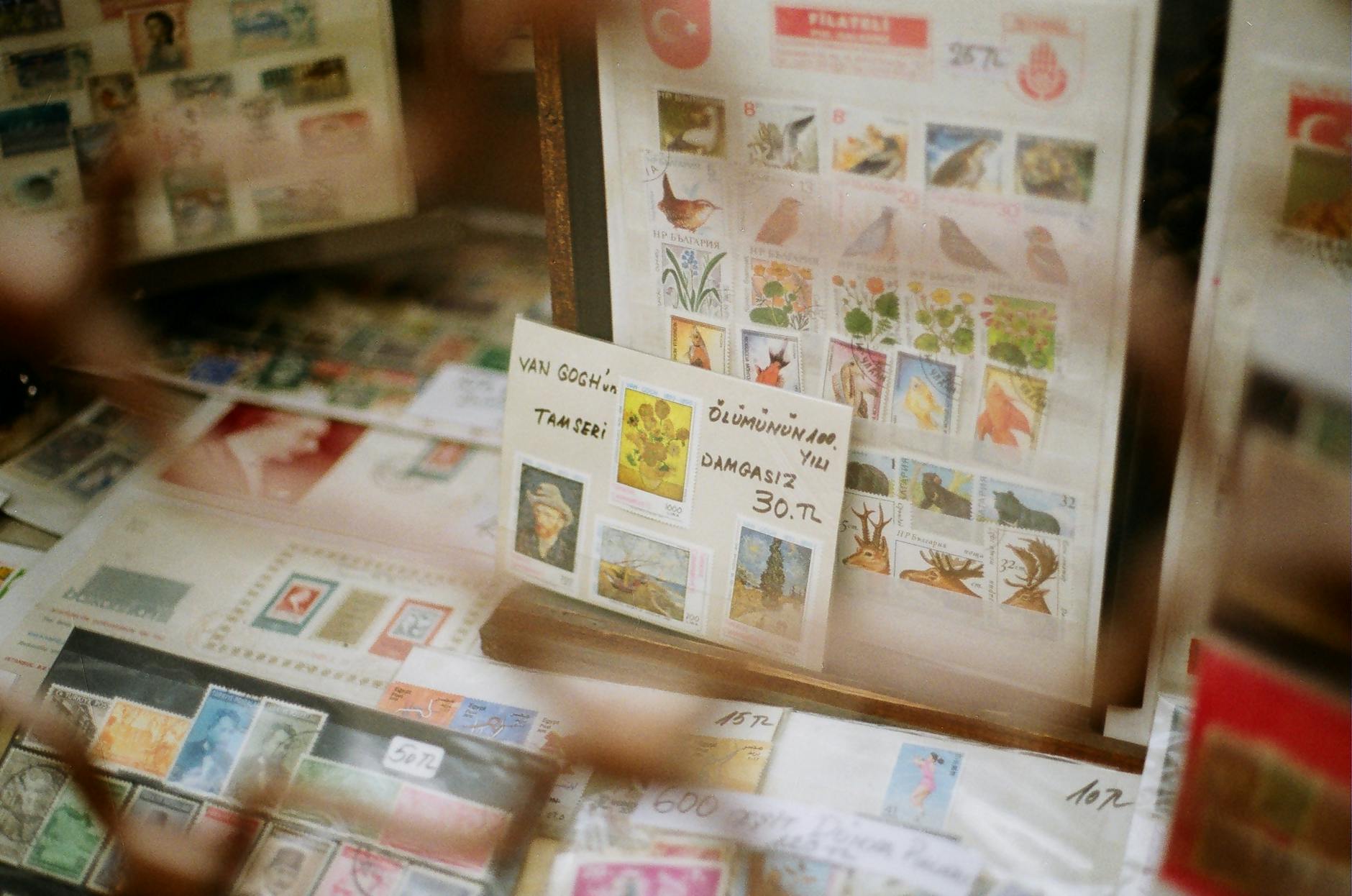
Thematic Coin Collecting: Animals, Ships and Landmarks
Introduction: Why Collect by Theme?
Coin collecting – known formally as numismatics – can feel overwhelming when you first start out.
Walk into any coin fair at the Birmingham NEC or browse the shelves at a specialist dealer on
London’s Cecil Court, and you will quickly discover that there are millions of coins in
circulation across the world, spanning thousands of years of history. Where on earth do you begin?
The answer that many experienced collectors give to beginners is simple: pick a theme. Thematic
collecting – sometimes called topical collecting – means building your collection around a
specific subject rather than trying to acquire every coin from a particular country or era.
Instead of chasing every British coin ever minted, you focus on, say, coins that feature
lighthouses, or red squirrels, or Royal Navy vessels. You build something coherent, personal,
and deeply satisfying.
Three of the most popular themes among UK collectors are animals, ships, and landmarks. Each
offers a rich and varied field of study, a mix of affordable and premium pieces, and a genuine
connection to British history and culture. This guide will walk you through all three, explain
how to get started, where to buy, how to store your coins properly, and how to keep developing
your collection over time.
Animal Coins: Britain’s Love of Wildlife on Metal
Britain has a long and affectionate relationship with animals, and that affection is clearly
reflected in its coinage. From the heraldic beasts of the Tudor period to the modern wildlife
series issued by the Royal Mint, animal imagery has been a constant presence on British coins
for centuries.
The Royal Mint’s Queen’s Beasts series, which ran from 2016 to 2021, is
perhaps the most celebrated recent example. Comprising ten designs – including the Lion of
England, the Unicorn of Scotland, the Red Dragon of Wales, and the Black Bull of Clarence –
the series drew directly from the heraldic sculptures that stood outside Westminster Abbey
during the coronation of Queen Elizabeth II in 1953. These coins were issued in gold, silver,
and base-metal bullion versions, meaning collectors at almost every budget level could
participate. A standard silver two-ounce Queen’s Beasts coin can be found on the secondary
market for around £50-£80, though pristine proof versions command significantly more.
More recently, the Royal Mint launched the British Wildlife series, featuring
native species such as the red squirrel, the kingfisher, and the barn owl. These coins appeal
strongly to collectors who have an interest in conservation as well as numismatics, since
many of the species depicted face real pressures in the wild. Collecting these coins can
become a way of marking and remembering Britain’s natural heritage.
Animal coins are not limited to modern issues. Older British coins frequently featured the
lion rampant, the Britannia lion, and the St George and Dragon reverse – a design that dates
back to Benedetto Pistrucci’s iconic work for the 1817 sovereign and which has been used on
gold sovereigns ever since. A circulated Victorian sovereign featuring the St George and
Dragon reverse can be purchased from a reputable dealer for roughly £350-£450, depending on
condition and year, making it an attainable and historically significant starting point.
Ship Coins: Celebrating Britain’s Maritime Heritage
As an island nation, Britain’s identity is inseparable from the sea. Its history of exploration,
trade, naval power, and shipbuilding is unparalleled, and that heritage has been commemorated
on coinage in countless ways. Ship-themed coins offer collectors an opportunity to connect with
some of the most dramatic stories in British and world history.
The Royal Mint has issued commemorative coins marking the anniversaries of famous vessels and
naval events. Coins marking the bicentenary of the Battle of Trafalgar in 2005
are a popular starting point, featuring HMS Victory – Nelson’s flagship – in beautifully
detailed relief. Similarly, coins issued to mark the centenary of the RMS Titanic’s
sinking in 2012, produced by several mints including the Royal Mint and the Isle of Man
Treasury, have become highly collectable items. The Isle of Man, incidentally, has a long
tradition of producing high-quality commemorative coins with maritime themes, and its output
is widely respected among UK collectors.
Beyond commemoratives, the old pre-decimal halfpenny (in use until decimalisation in 1971)
famously featured a galleon on its reverse – a design used from 1937 onwards. Circulated
examples are inexpensive and easy to find, often costing just a few pence each, making them
an ideal starting point for younger collectors or those on a tight budget. A full date run of
the galleon halfpenny can be assembled for under £20 if you are patient and willing to shop
around at car boot sales and coin fairs.
For those with deeper pockets, the Royal Navy has been commemorated on a range of gold and
silver proof coins over the decades. Coins marking the 200th anniversary of the Royal Navy’s
formation, or those celebrating famous admirals, are all part of this rich maritime numismatic
tradition. Spending time at specialist dealers such as Spink & Son in
London or browsing the catalogue of Baldwins of St James’s will quickly
reveal the depth of material available.
Landmark Coins: Monuments, Castles and Iconic Structures
Landmark-themed coins celebrate the built environment – the bridges, castles, towers, and
public buildings that define Britain’s towns and cities. This is a particularly broad theme,
and collectors often narrow it down further by focusing on a specific type of structure or a
particular region of the country.
The Tower of London series, issued by the Royal Mint between 2019 and 2020,
is one of the finest recent examples of landmark coinage. Across four releases – covering
the White Tower, the Crown Jewels, the Yeoman Warders, and the ravens – the series offered
intricate designs on coins struck in gold, silver, and base metal. The Tower of London has
stood for over 900 years and carries enormous historical weight; owning a coin that depicts
it connects the collector to that long story in a tangible way.
Older coinage also features landmarks in subtle ways. The reverse of the pre-decimal
florin (two shillings) periodically featured heraldic designs incorporating architectural
elements, and various commemorative crowns have depicted St Paul’s Cathedral, Windsor Castle,
and the Houses of Parliament over the decades. The 1965 Churchill Crown, for instance, while
primarily a portrait coin, includes architectural detail in its design that links it to the
tradition of depicting Britain’s great institutions.
Some collectors choose to focus specifically on Scottish landmarks – Stirling Castle, Edinburgh
Castle, or the Forth Bridge – while others are drawn to Welsh landmarks such as Conwy Castle
or Caernarfon. There is no shortage of material, and this regional focus can give a collection
a particularly personal dimension, especially if the collector has a connection to the areas
being depicted.
How to Get Started: A Practical Step-by-Step Guide
-
Choose your theme and narrow it down. Pick one of the three broad themes –
animals, ships, or landmarks – and then think about whether you want to narrow it further.
“Animals on British coins” is a perfectly valid theme, but “native British birds on Royal
Mint coins issued after 2000” is more focused and more achievable. A tighter scope makes
the collection feel more purposeful. -
Set a realistic budget. Decide how much you are comfortable spending per
month. Even £20-£30 a month will accumulate meaningfully over time. Be honest with yourself
about this figure from the outset; it will guide every purchasing decision you make. -
Research before you buy. Read as much as you can before spending any money.
The Standard Catalogue of British Coins (commonly known as Coins of England, published
by Spink) is the authoritative reference guide for UK collectors and is updated annually.
Your local library may stock a copy, or it can be purchased directly from Spink’s website. -
Open an account with the Royal Mint. The Royal Mint’s website
(royalmint.com) allows you to subscribe to new issues and set up a collector’s account.
This is useful for keeping track of ongoing series and ensuring you do not miss new
releases in your chosen theme. Their customer service team is based in Llantrisant, Wales,
and is generally responsive to queries. -
Find reputable dealers. In the UK, the trade is represented by the
British Numismatic Trade Association (BNTA), whose member dealers adhere to
a code of conduct. Buying from a BNTA member gives you a reasonable level of assurance that
the coins you purchase are genuine and accurately described. Well-known members include
Spink, Baldwins, and Timeline Auctions. -
Attend a coin fair. The London Coin Fair, held at the
Holiday Inn Bloomsbury, runs several times a year and attracts dealers from across the UK
and Europe. The Midland Coin Fair in Coventry and various regional fairs
held by the British Numismatic Society and the Royal Numismatic Society are also worth
attending. Fairs give you the chance to handle coins, compare prices, and speak directly
with knowledgeable dealers. -
Join a numismatic society. The British Numismatic Society
and the Royal Numismatic Society both welcome new members and publish
respected journals. Local societies – there are active groups in most major UK cities –
often hold monthly meetings and offer a welcoming environment for beginners. -
Store your coins correctly from the start. Poor storage is one of the
most common mistakes new collectors make. Keep coins in acid-free holders, capsules, or
purpose-built albums. Never clean a coin with abrasive materials; doing so destroys the
surface patina and dramatically reduces value. Store your collection in a cool, dry
environment away from direct sunlight. -
Keep records. Maintain a simple spreadsheet or notebook recording each
coin you acquire: the date of purchase, the price paid, the source, and any relevant
catalogue reference number. This is useful both for insurance purposes and for your own
satisfaction in tracking the growth of your collection. -
Be patient. Thematic collecting is a long-term pursuit. The most
rewarding collections are built gradually, over months and years, as you learn more about your chosen theme and develop a sharper eye for quality and value. Resist the urge to fill gaps quickly by overpaying or accepting coins in poor condition. A smaller, well-chosen collection will always outpace a large, indiscriminate one in both monetary and personal value.
One final practical point concerns grading. British coins are typically assessed using a standard scale running from Poor (P) through Fair, Good, Very Good, Fine, Very Fine, Extremely Fine, and up to Uncirculated (UNC) or Brilliant Uncirculated (BU). When buying, always ask the seller for an explicit grade and, where possible, compare it against established references such as the Standard Catalogue of British Coins, commonly known as Spink. A coin described loosely as “good condition” by a private seller may correspond to no more than Fine on the formal scale, which can make a considerable difference to what you should reasonably pay.
It is also worth familiarising yourself with the principal auction houses and dealers that specialise in British material. Firms such as Spink & Son, DNW (Dix Noonan Webb), and Baldwin’s hold regular sales and publish detailed catalogues that are useful reference tools even when you are not bidding. Online platforms, including eBay and specialist numismatic marketplaces, broaden access considerably, but require greater caution: scrutinise photographs carefully, check seller feedback, and do not hesitate to ask for additional images before committing to a purchase.
Conclusion
Thematic coin collecting — whether your focus falls on native wildlife, historic vessels, or the landmarks that define the British landscape — offers a structured and genuinely absorbing way to engage with the country’s history and culture. The Royal Mint has produced an exceptionally rich body of commemorative and circulating coinage across these themes, giving collectors at every level of experience and budget something worthwhile to pursue. Approach the hobby methodically, handle your coins with care, and build your knowledge steadily alongside your collection. The results, in time, will justify the effort.
https://shorturl.fm/kpYJD
https://shorturl.fm/g7mfm
https://shorturl.fm/z43UB
https://shorturl.fm/9dgGn
https://shorturl.fm/tyJC3
https://shorturl.fm/TqRfd
https://shorturl.fm/KdbzG
https://shorturl.fm/JLyTM
https://shorturl.fm/ZJAKD
https://shorturl.fm/J1K17
Последние новинки музыки 2026 скачать бесплатно https://shorturl.fm/naLA6
https://shorturl.fm/8aGl8
https://shorturl.fm/KUtNT
https://is.gd/2esl83
https://shorturl.fm/UJDEu
https://shorturl.fm/BIlmE
https://shorturl.fm/Edw8z
https://shorturl.fm/j5UkO
https://shorturl.fm/414N1
https://shorturl.fm/GaNZm
https://shorturl.fm/qVNJI
https://shorturl.fm/4N1Pz
https://shorturl.fm/sA2n0
https://shorturl.fm/2jrVP
https://shorturl.fm/xC9ji
https://shorturl.fm/4gcQQ
https://shorturl.fm/wziGW
https://shorturl.fm/Y1LeJ
https://shorturl.fm/06xDI
https://shorturl.fm/3u6xe
https://shorturl.fm/t8gwb
https://shorturl.fm/TxnWi
https://shorturl.fm/S9h5O
https://shorturl.fm/K4gDD
https://shorturl.fm/6lhkA
https://shorturl.fm/O4sgp
https://shorturl.fm/Eda2S
https://shorturl.fm/jskBc
https://shorturl.fm/1Jf0v
https://shorturl.fm/JEOAH